
Physiotherapy and sports rehabilitation, Zurich
Back to your sport.Not just back to normal.
Evidence-based physiotherapy for people who train, compete and refuse to sit out. Most athletes are back to full training in under ten weeks.
- Same-week appointments
- Direct insurance billing
- Seven specialists
Average rating from 600+ reviews
Recognized by
- Helsana
- CSS
- Swica
- Swiss Physiotherapy
- Swiss Olympic Medical Centre
Start here
Where does it hurt?
Choose an area to see the problems we treat most, how long recovery usually takes and what we use.

Common at ARC
Knee
- Runner's knee: pain at the front of the knee
- Patellar tendon pain from jumping
- Rehab after ACL or meniscus surgery
- Typical recovery
- 6 to 12 weeks, after ACL surgery 9 to 12 months
- What we use
- Sports rehabilitationPost-surgery rehabReturn-to-play testingManual therapy
Treatments
Hands-on care, built around your sport.


The process
Five phases. One clear path.
Every phase has a goal and a test. You move on when you pass it, so you always know where you stand.
- 01Weeks 0 to 1
Protect
Settle pain and swelling, protect the injured tissue, and keep the rest of you training.
- 02Weeks 1 to 3
Restore
Get full range back. Walking, stairs and sleep feel normal again.
- 03Weeks 3 to 6
Rebuild
Progressive strength work until both sides test within 10% of each other.
- 04Weeks 6 to 10
Return
Running, jumping, cutting and sport drills, each one tested before the next.
- 05Week 10 onward
Perform
Full training with a maintenance plan, so the injury stays in the past.

Programs
Structured paths back to your sport.


Why ARC

01
Assessed like an athlete
Every first session includes movement screening and strength testing, not just a look at where it hurts. You leave with a diagnosis, the numbers behind it and a written plan.
- Range, strength and control on both sides
- A diagnosis in plain language
- A plan with dates, not vague promises

02
One therapist, start to finish
You see the same specialist from the first assessment to your last test. They know your history, your sport and your goals, so nothing gets lost between sessions.
- The same physio at every visit
- Direct messages between sessions
- Reports to your coach or surgeon if you want them

03
Data, not guesses
Each phase ends with an objective test: force plate jumps, hop distances, dynamometer strength. You move on when the numbers say you are ready, not when the calendar does.
- Testing at the end of every phase
- A written report after each test
- Return-to-sport decisions backed by numbers
- years of practice
- 12
- athletes treated in 2025
- 1,200
- back to full training
- 94%
- average rating
- 4.9
The team
People who keep you in the game.


Patients
Back in the game, in their words.
They tested me every six weeks, so I always knew where I stood. Eleven months after surgery I played the full ninety minutes again.
Nina Keller
Football, ACL reconstruction
Two physios told me to stop running. ARC changed my week instead of ending it, and I ran Zurich in 3:12 with no Achilles pain.
Thomas Huber
Marathon, Achilles tendinopathy
My shoulder had been sore for a year. Eight weeks of proper strength work and I am serving at full speed again.
Sara Rossi
Volleyball, Rotator cuff irritation
The clinic
A bright space in Zurich West.
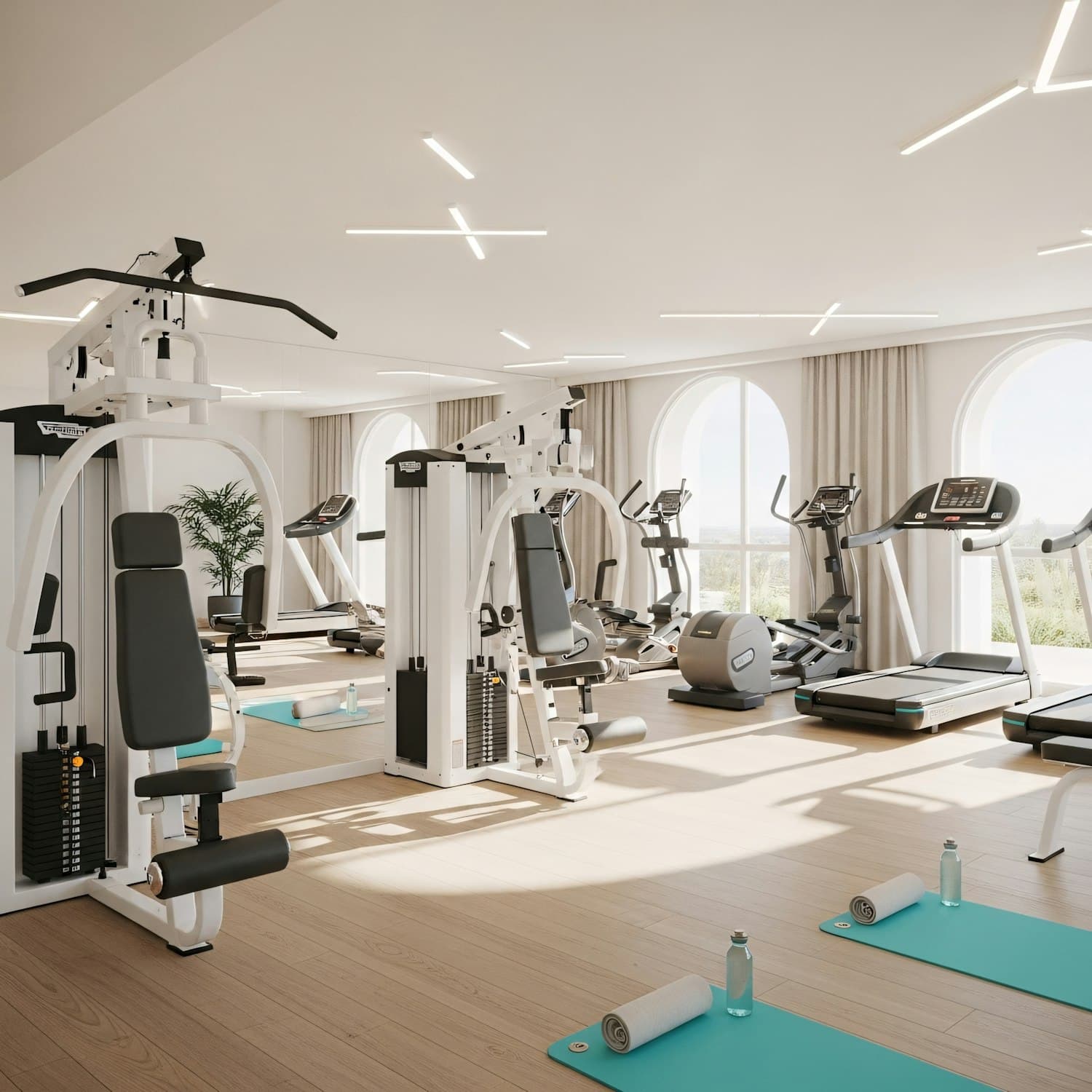
Four treatment rooms, a 180 m² rehab gym with a force plate and sprint lane, and a quiet reception two minutes from Escher-Wyss-Platz.
- Monday to Saturday
- 07:00 to 20:00
- Sunday
- Closed
- Address
- Hardstrasse 219, 8005 Zürich



FAQ
Questions, answered.
Something else on your mind? A physiotherapist answers every message within one working day.
No, you can book directly. You only need a doctor's prescription if you want basic or accident insurance to pay. Many patients start as self-pay and bring a prescription later.
Shorts and a t-shirt, and the shoes you train in. We will look at how you move, so clothes you can squat, hop and run in are ideal. There is a changing room on site.
The initial assessment takes 60 minutes: about 15 minutes of history, 30 minutes of movement and strength testing, and 15 minutes of treatment and a written plan.
With a prescription, basic insurance covers up to 9 sessions and accident insurance covers sports injuries in full. Many supplementary plans also pay toward dry needling and performance testing. We bill your insurer directly.
Most problems need four to eight sessions over six to ten weeks. You get a realistic estimate at the end of your first visit, and we tell you if we think you need fewer.
Yes. With your consent we share your plan and test results with your coach, club physio or surgeon, and we can adapt sessions around your training week.
Ready to move again?
Book an initial assessment online in two minutes. Appointments are usually available within the week, from 07:00 to 20:00.