
Skip to content

Conditions

Find your injury

Choose where it hurts, or search the conditions we treat most. Each one explains what it is, who gets it, what we do and how long recovery usually takes.

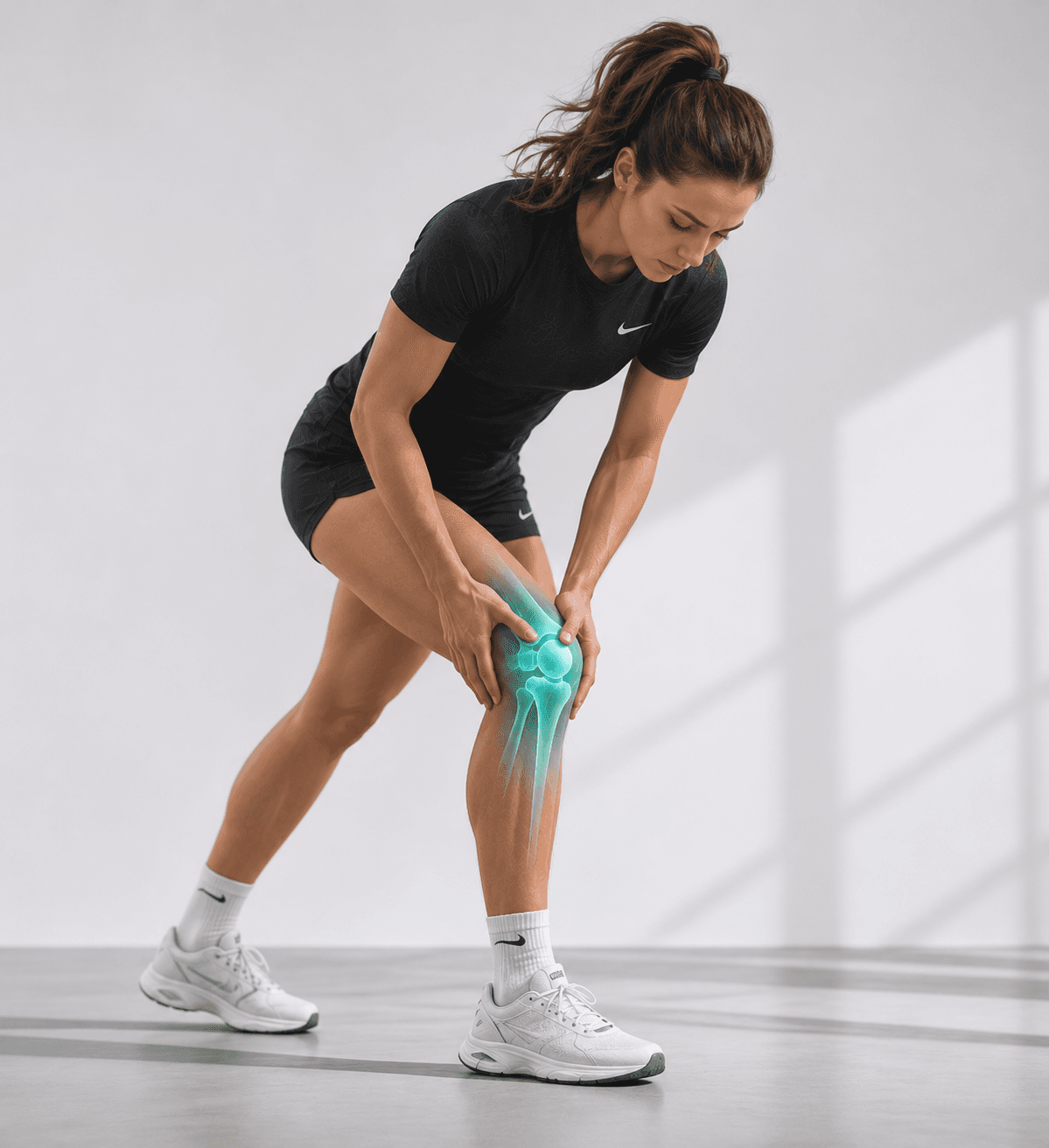
A runner holding her knee, with the knee joint highlighted

Common at ARC

Knee

  • Runner's knee: pain at the front of the knee
  • Patellar tendon pain from jumping
  • Rehab after ACL or meniscus surgery
Typical recovery
6 to 12 weeks, after ACL surgery 9 to 12 months
What we use
Sports rehabilitationPost-surgery rehabReturn-to-play testingManual therapy

All conditions

Conditions we treat

10 conditions

What it is
A dull ache around or behind the kneecap that builds during runs, on stairs and after sitting for a long time. The joint is not damaged. It has become sensitive because it is taking more load than it can currently handle.
Who gets it
Runners after a jump in mileage or hill work, and anyone doing a lot of squatting or stairs. It is the most common knee complaint we see in people under 40.
What we do
We reduce load just enough to calm it, then build hip and quadriceps strength with exercises like Spanish squats and step-downs. We review your weekly volume and cadence, and most people keep running at a reduced level throughout.

Expected recovery: 6 to 12 weeks

What it is
Pain and stiffness in the Achilles tendon, usually worst in the first steps of the morning and at the start of a run. The tendon has been loaded faster than it can adapt.
Who gets it
Runners over 30, people returning to running after a break, and court athletes after a busy season.
What we do
A progressive calf and tendon loading programme is the core of treatment. We adjust your running rather than stopping it, and add shockwave if the tendon is slow to respond after six weeks.

Expected recovery: 12 to 24 weeks

What it is
Pain at the front or side of the shoulder when lifting the arm, reaching overhead or lying on that side. In most cases the rotator cuff tendons are irritated, not torn.
Who gets it
Swimmers, climbers, tennis and volleyball players, and anyone who has recently added a lot of overhead work in the gym.
What we do
We settle the painful positions first, then rebuild rotator cuff and shoulder blade strength through a progressively larger range. Overhead training returns in stages, guided by strength tests.

Expected recovery: 6 to 12 weeks

What it is
Pain across the lower back, sometimes spreading into the buttock, often after lifting, a long day of sitting or a heavy training block. Most of the time it is not a structural injury, and it settles faster when you stay active.
Who gets it
Almost everyone at some point: lifters, rowers, cyclists and people who sit for long hours and train hard in the evening.
What we do
We rule out anything that needs a doctor, ease the pain with manual therapy or dry needling where it helps, and get you moving and lifting again with a clear plan. Scans are rarely needed.

Expected recovery: 2 to 6 weeks

What it is
A sudden, sharp pain at the back of the thigh while sprinting or kicking, sometimes followed by bruising. It is a tear of muscle fibres, graded by how much of the muscle is involved.
Who gets it
Sprinters, footballers, rugby and hockey players, and anyone sprinting after a long break. A previous strain is the biggest risk factor for the next one.
What we do
Early, pain-guided loading speeds up recovery. We progress from holds to Nordic curls and high-speed running, and clear you to play only after strength and sprint testing.

Expected recovery: 3 to 8 weeks

What it is
A rolled ankle that stretches or tears the ligaments on the outside of the joint, with swelling and pain when walking. Around one in three people have lasting problems when it is not rehabilitated properly.
Who gets it
Court and field athletes, trail runners and anyone who has sprained the same ankle before.
What we do
We control the swelling, restore movement, then rebuild balance, strength and hopping. Return to sport follows a hop and change-of-direction test, not just the absence of pain.

Expected recovery: 3 to 8 weeks

What it is
A pinching pain at the front of the hip or in the groin during deep squats, sitting with the knees up or changing direction. It happens when the shape of the joint causes contact at the end of its range.
Who gets it
Footballers, hockey players, dancers and lifters who spend a lot of time in deep hip flexion.
What we do
We find the positions that provoke it, adjust training around them and build hip and trunk strength. Most people improve without surgery. If progress stalls after 12 weeks, we refer you for imaging.

Expected recovery: 8 to 16 weeks

What it is
Pain on the outside of the elbow when you grip, lift a cup or turn a key. The tendon of the forearm extensors has become irritated by repetitive load.
Who gets it
Tennis and padel players, climbers, and people doing long hours of mouse work or manual tasks. It is most common between 35 and 55.
What we do
A progressive forearm loading programme, a change of grip or equipment, and a look at your technique or workstation. Shockwave helps when it has lasted more than three months.

Expected recovery: 8 to 16 weeks

What it is
Tightness and aching across the neck and upper shoulders, often with a headache by the end of the day. It is usually a problem of load and tolerance, not damage.
Who gets it
People who sit at a desk for long hours, cyclists, swimmers and anyone under sustained pressure at work.
What we do
Manual therapy or dry needling for quick relief, then neck and upper back strength so it stays away. We look at your setup too, but we will not ask you to sit perfectly straight all day.

Expected recovery: 2 to 6 weeks

What it is
A tear of the anterior cruciate ligament, usually from a landing or a sudden change of direction, often with a pop and rapid swelling. Most active people choose reconstruction followed by structured rehab.
Who gets it
Footballers, skiers, basketball and handball players. Women in pivoting sports have a two to eight times higher risk than men.
What we do
We start before surgery when we can, then follow a criteria-based pathway through range, strength, running, jumping and change of direction. Return to sport is decided by testing, and rarely before nine months.

Expected recovery: 36 to 52 weeks

Not sure what it is?

Book an initial assessment. In 60 minutes you get a diagnosis, the numbers behind it and a plan with dates.